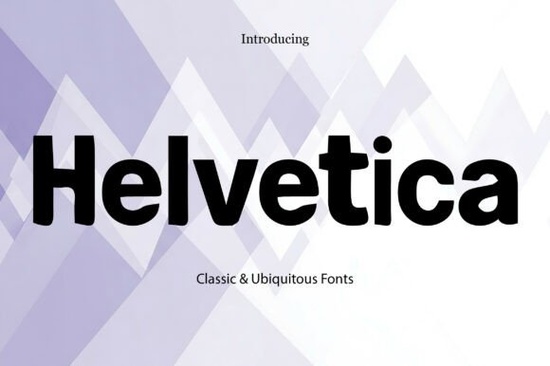
If you're looking for a clean, trustworthy, and quietly confident typeface that works just as well on a hand-stamped tea label as it does in a Shopify product description, the Helvetica Font is worth your attention. It’s not flashy but that’s the point. Designed in 1957 and refined over decades, this neo-grotesque sans-serif remains one of the most widely used fonts in branding, editorial design, packaging, and digital interfaces. Its even stroke widths, open letterforms, and neutral tone make it highly legible at small sizes and impactful at large ones ideal for crafters building cohesive product lines or small businesses crafting their first brand identity.
What makes Helvetica different from other sans-serifs?
Unlike many modern geometric fonts, Helvetica avoids extreme uniformity. Its curves are subtly organic not mathematically perfect and its spacing feels intuitive rather than rigid. That gives it warmth without sacrificing clarity. You’ll notice it especially in body text: letters like “a”, “e”, and “g” have gentle openings that help the eye move smoothly across lines. The bold weight shown in the sample keeps that same rhythm strong but never aggressive. It’s why designers reach for Helvetica when they want to signal reliability (think pharmacy signage or nonprofit reports) while still feeling approachable (like a locally roasted coffee bag or a handmade ceramics website).
Where does Helvetica work best for makers and small teams?
It shines where consistency and readability matter more than novelty:
- Packaging & labeling: Works beautifully on jars, boxes, and tags especially for organic, minimalist, or wellness-focused brands.
- Digital storefronts: Clean rendering on screens means your product titles and descriptions stay sharp on mobile and desktop alike.
- Print-on-demand assets: From greeting cards to wall art, Helvetica holds up well in both CMYK and RGB, with no surprises in color shifts or hinting.
- Branding systems: Paired with a simple icon or handwritten accent font, it forms a solid foundation not a distraction.
How does it compare to other popular sans-serifs on Creative Fabrica?
If you’re already using Grandeur, you’ll appreciate Helvetica’s more restrained contrast and tighter spacing better for dense layouts. Balimo leans friendlier and slightly more rounded; Helvetica offers more gravitas without tipping into formality. For projects needing softness say, baby apparel or botanical stationery you might prefer Pretzel. And if you need variety in one purchase, the Rounded Sans Bundle gives you flexibility across moods, while Helvetica delivers consistency. Bisked brings subtle personality with its uneven baseline and warm terminals great for artisanal branding but Helvetica stays reliably neutral when you want the message, not the font, to lead.
Is Helvetica suitable for long-form text or just headlines?
Yes it handles both well. Its generous x-height and open counters improve legibility in paragraphs, and its consistent rhythm reduces visual fatigue. That’s why lifestyle magazines and sustainable brand lookbooks often use it for body copy. Just avoid ultra-thin weights at small sizes (under 12 pt), and stick with Regular or Light for extended reading. For headlines, the Bold or Black weights give presence without shouting especially effective when paired with ample whitespace.
A note on licensing and usage
This version of Helvetica is licensed for commercial use including print-on-demand, digital templates, and client work so you can use it across your business without extra fees. Always double-check the license details on the product page, but standard Creative Fabrica terms cover most common maker and small-business needs. It’s not a free font, and that’s intentional: professional typography has real value in how people perceive your work.
Before downloading or using Helvetica, ask yourself:
- Does my project benefit from neutrality or does it need more character?
- Will I be pairing it with another font? If so, try something with contrast a warm serif like Lora or a relaxed script to balance its calm precision.
- Am I using it at appropriate sizes? Test printouts or screen previews at actual scale not just zoomed-in mockups.
- Have I checked line height and letter spacing? Even great fonts need thoughtful typesetting to breathe.
When in doubt, start simple: set a short headline and a sentence of body text in Helvetica Regular and Bold, then step away for five minutes. Come back and ask: does it feel clear, calm, and confident? If yes you’ve found your match.
Try It Free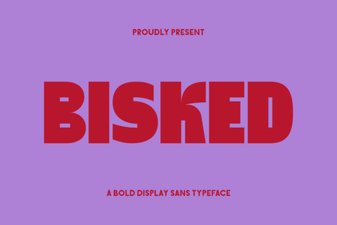 Designing with Bisked Font for Modern Projects
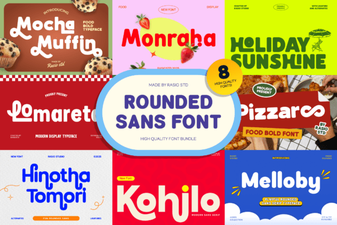 Get Creative with Rounded Sans Font Bundles
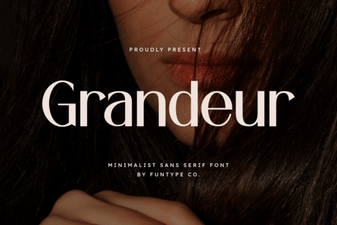 Grandeur Font for Elegant Web Design Projects
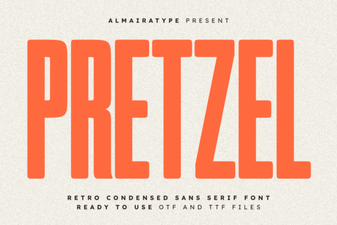 Discover the Versatile Pretzel Font for Your Designs
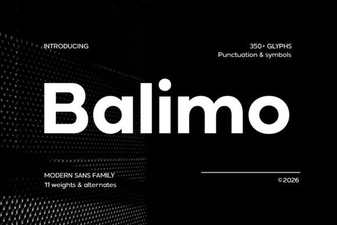 Balimo Font: Design a Modern & Readable Interface
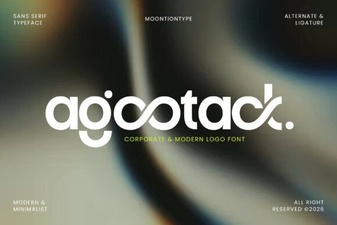 The Agootack Font: Design Inspiration & Usage Examples